How to create a global Learning Organization
Building a learning organization is crucial to staying competitive and adaptable in a rapidly changing world. By promoting learning and development at...


Learning organizations have a strong competitive advantage. Continuous skills development helps teams adapt to a rapidly changing business landscape. It also makes your organization a more attractive place to work for your employees.

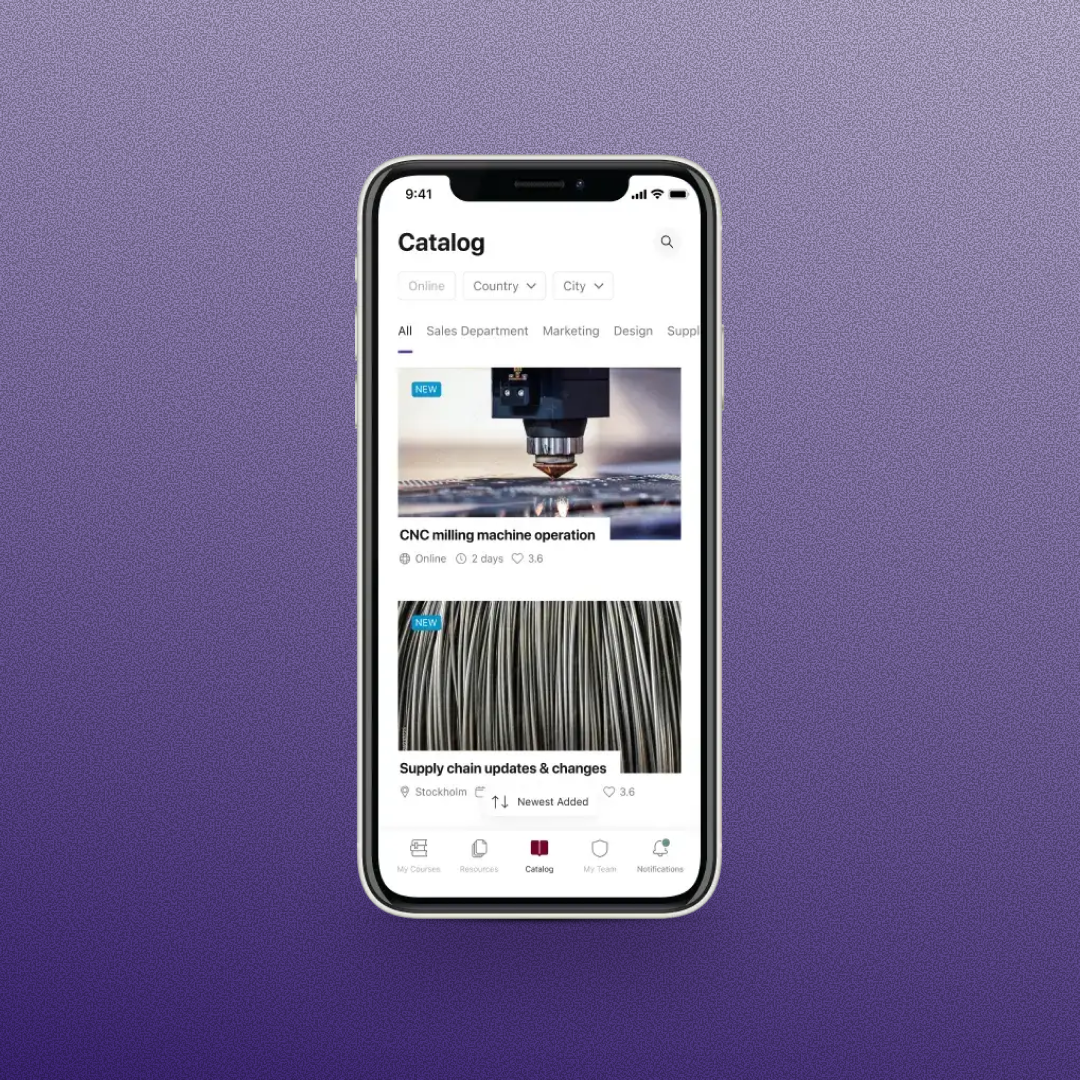


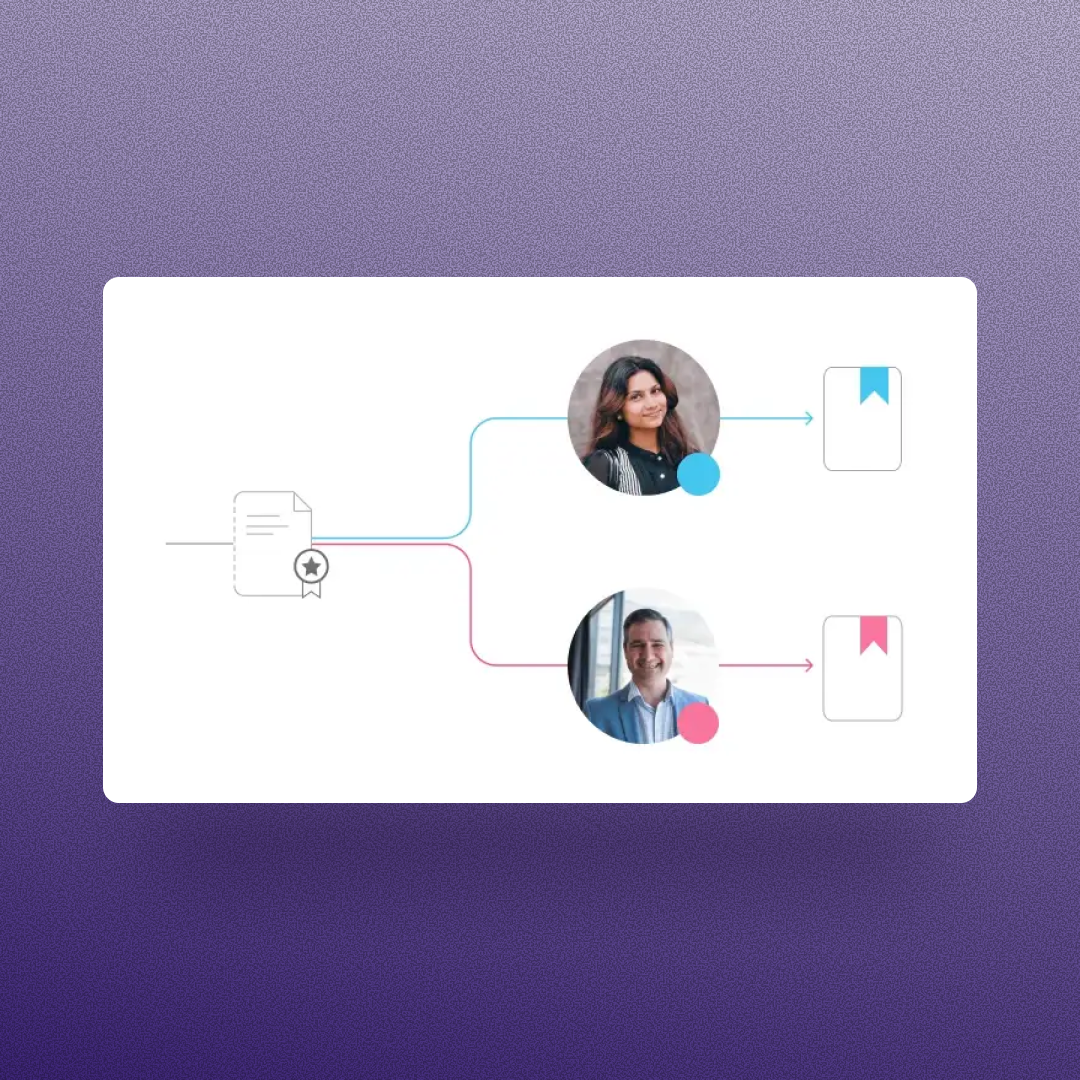

Create a structured internal academy with both mandatory training and optional courses for development. Organize content so employees can easily find and explore relevant learning resources. High accessibility encourages self-directed learning.
Provide a single place for all learning resources, from manuals and videos to microlearning. Structured and searchable content helps employees find answers exactly when they need them. Support continuous learning in the flow of work.
Combine company-wide knowledge with local expertise for day-to-day operations. Share consistent guidance while allowing teams to adapt content to their needs. Track learning progress across both organizational and local levels.
Automate recurring training workflows and reduce repetitive tasks. Scalable training formats save time for both administrators and instructors. Spend less time on admin and more on enabling learning.
Leverage internal expertise by involving subject matter experts in training creation. Let teams contribute knowledge and maintain relevant content. Managers can follow progress and support employees with better coaching.


Building a learning organization is crucial to staying competitive and adaptable in a rapidly changing world. By promoting learning and development at...

Sonia Lee, Partner Success Manager, and Klara Peic, Head of Talent and Learning at Easypark, share tips, inspiration, and insights.

Discover 6 new Learning and Development (L&D) trends 2024. All indicating that learning organizations have a competitive stance.

“Våra medarbetare tar mer ansvar för sin egen kompetensutveckling“
Vi har märkt en nyfikenhet och en drivkraft att lära oss nya färdigheter. Chefer har blivit bättre på att identifiera individuella kompetensbehov.