How to create a global Learning Organization
Building a learning organization is crucial to staying competitive and adaptable in a rapidly changing world. By promoting learning and development at all levels, your organization...


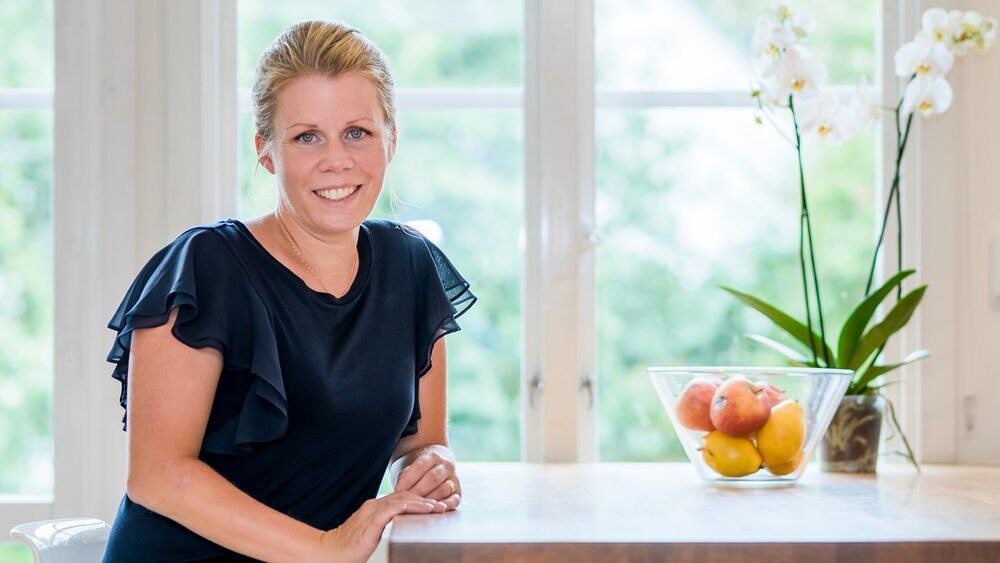
Our brains are biologically programmed to deal with shortages. But our modern environment is characterized by surplus and information overload. We have unlimited access to everything from sugar and information to relationships and tasks. As a consequence, our 40.000 year-old brains need new strategies for creating long-term memories in a digital everyday life.
The fundamental principle is to create those limitations that the brain "expects'' to get. For example, dedicate some time for focussed work and do one task at a time. It is a common misconception that multitasking is efficient, when in reality it is very energy consuming for our brains (glucose and oxygen). The brain does a much better job focussing on one thing at a time, ideally during shorter sessions and without distractions. However, you may want to practice your ability to focus by exposing yourself to noisier, more challenging environments every now and again. Your focussing skills will improve significantly and become a valuable asset.
Learning new things triggers a dopamine rush, which is what we associate with motivation. Younger individuals are thought to be more spoiled with various kinds of stimulants of the "feel-good hormones" compared to previous generations. This is why they have higher expectations, even in the workplace.
To give a sense of learning and satisfaction, I would recommend concrete and hands-on training related to the job role. Course participants should be given the time, space, and authority to make practical use of their new skills early into the learning process. Theoretical knowledge can easily become overlooked or regarded as simply abstract theory unless turned into actions. This could involve time to reflect, getting senior mentorship, or new responsibilities. A sense of development occurs when efforts turn into new possibilities.
Learning and development, both in schools and workplaces, would benefit from a change based on what we know about the brain today. Our digital world creates perfect conditions for efficiency and for getting lots of things done quickly. Meanwhile, the fast-paced workflow results in a lack of "pauses", which in turn makes systematic long-term memories (what we call learning) difficult. The L&D space would benefit from acknowledging that the brain needs more than simply receiving impressions.
We can only remember what we once thought. That is based on a quite ambitious definition of memory. Unfortunately, recollection is not enough. Instead, we need to retrieve memory when we need it and without a "trigger". In order to achieve that, we need to actively be mindful about the information as and when we read, hear or observe it. 30 seconds later, your working memory will no longer be able to process the information and it will be too late.
Being self-employed, I really value being in control of my own time. I also enjoy contrasts in life, which is why I work intensely with lectures, courses, and books for about half of the year. The remaining time I spend reflecting, outdoors, and together with family and friends. The human brain is built to endure periods of stress, but it also requires recovery. The time off gave me a more positive outlook on life, higher levels of "feel-good" hormones, and a significantly lower resting heart rate. I feel much better equipped to deal with stress going back to a high-paced workflow.
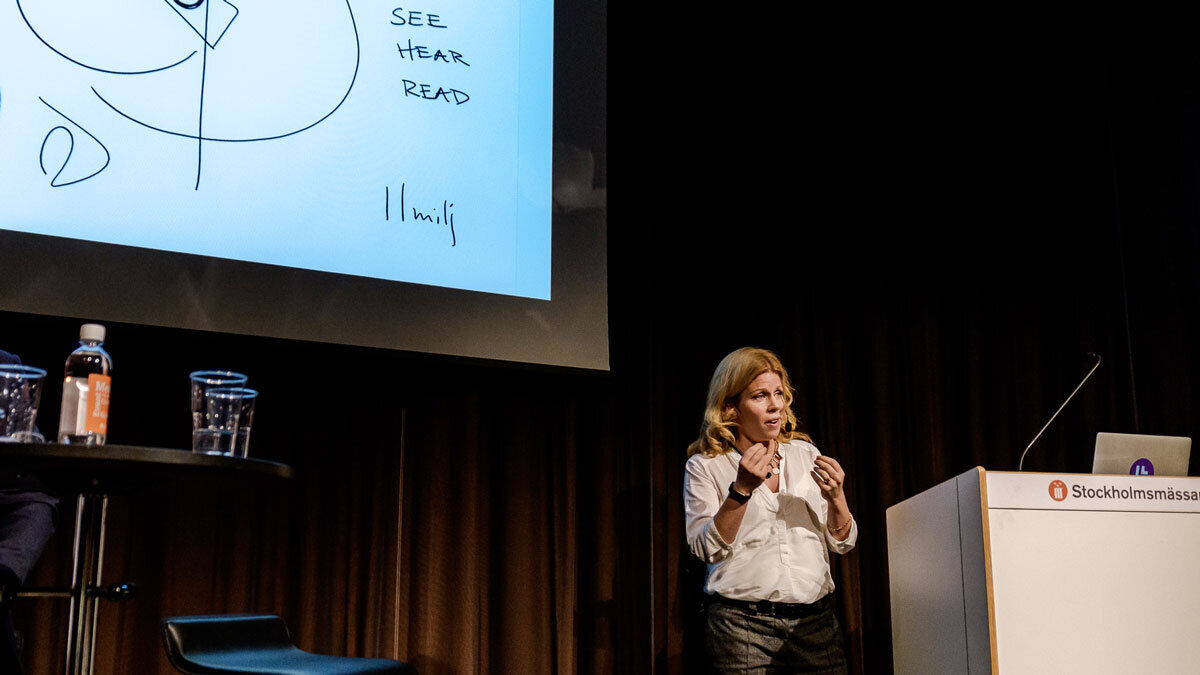
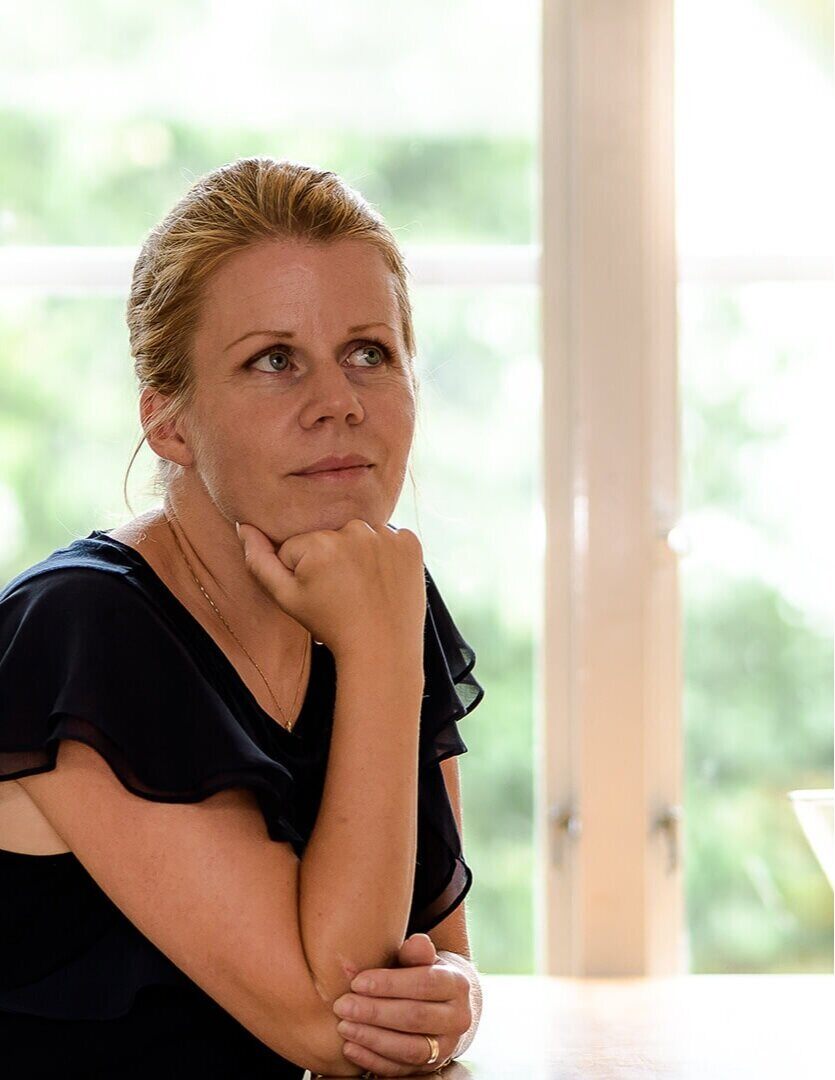
Anna Tebelius Bodin (Harvard University) holds popular lectures for learning and development professionals across Sweden. Her theories combine science about the human brain with the digital era and focus on learning, motivation, and mental health.

Building a learning organization is crucial to staying competitive and adaptable in a rapidly changing world. By promoting learning and development at all levels, your organization...
Sonia Lee, Partner Success Manager, and Klara Peic, Head of Talent and Learning at Easypark, share tips, inspiration, and insights.
Discover 6 new Learning and Development (L&D) trends 2024. All indicating that learning organizations have a competitive stance.